
NWP Monthly Digest | May 2026
Last weekend, the White House Correspondents’ Dinner was interrupted by an unacceptable act of violence. While there should never be a place for such violence, what stood out was how quickly the Secret Service agents reacted—flipping chairs, stepping in front of the president, and putting themselves directly in harm’s way. Yes, this is what they’re trained to do—but training is one thing. Executing under pressure with that level of composure and courage is another.
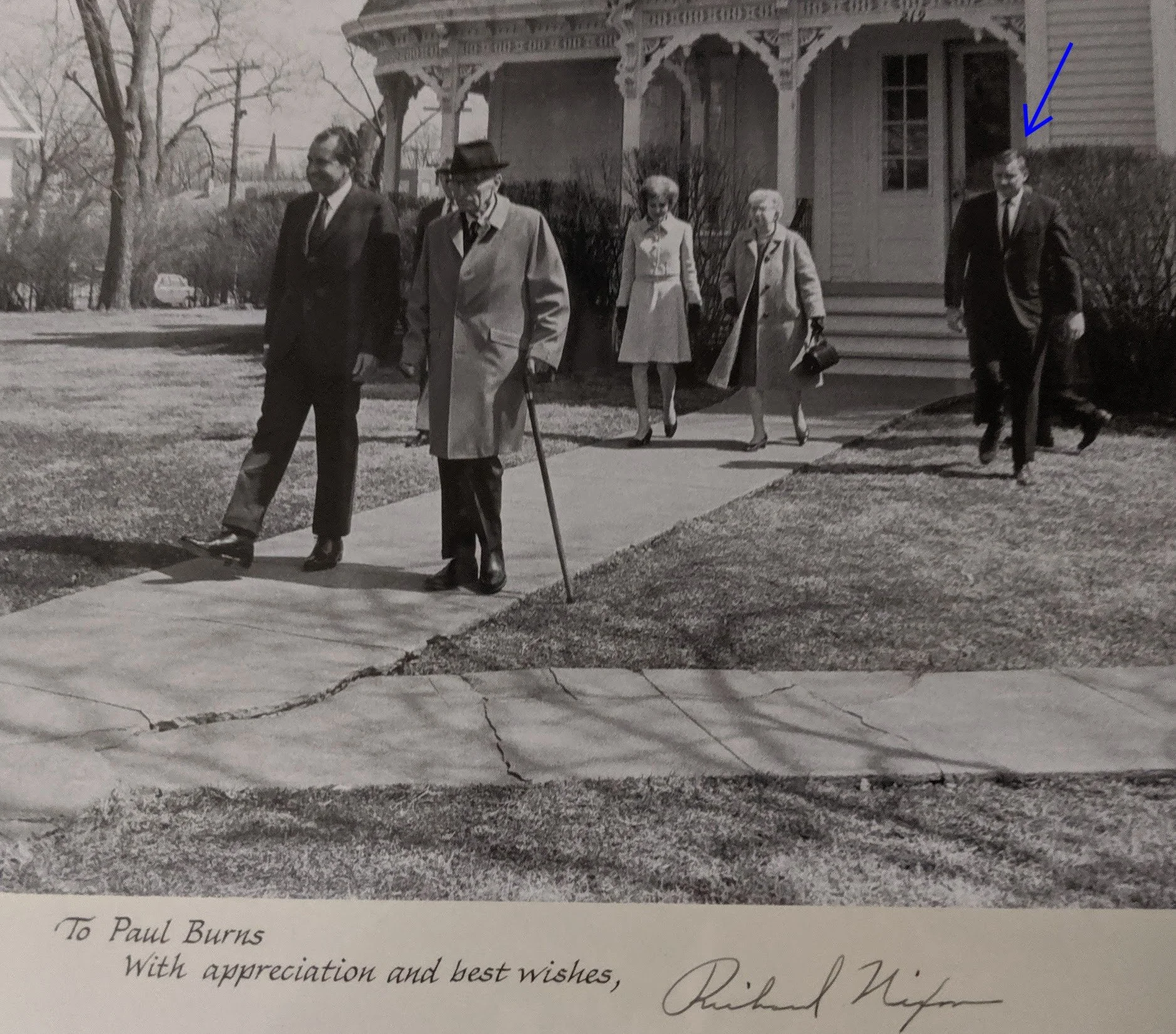

Moments like that reveal something deeper than training: belief. Belief in the system they serve, the people they protect, and the responsibility they carry.
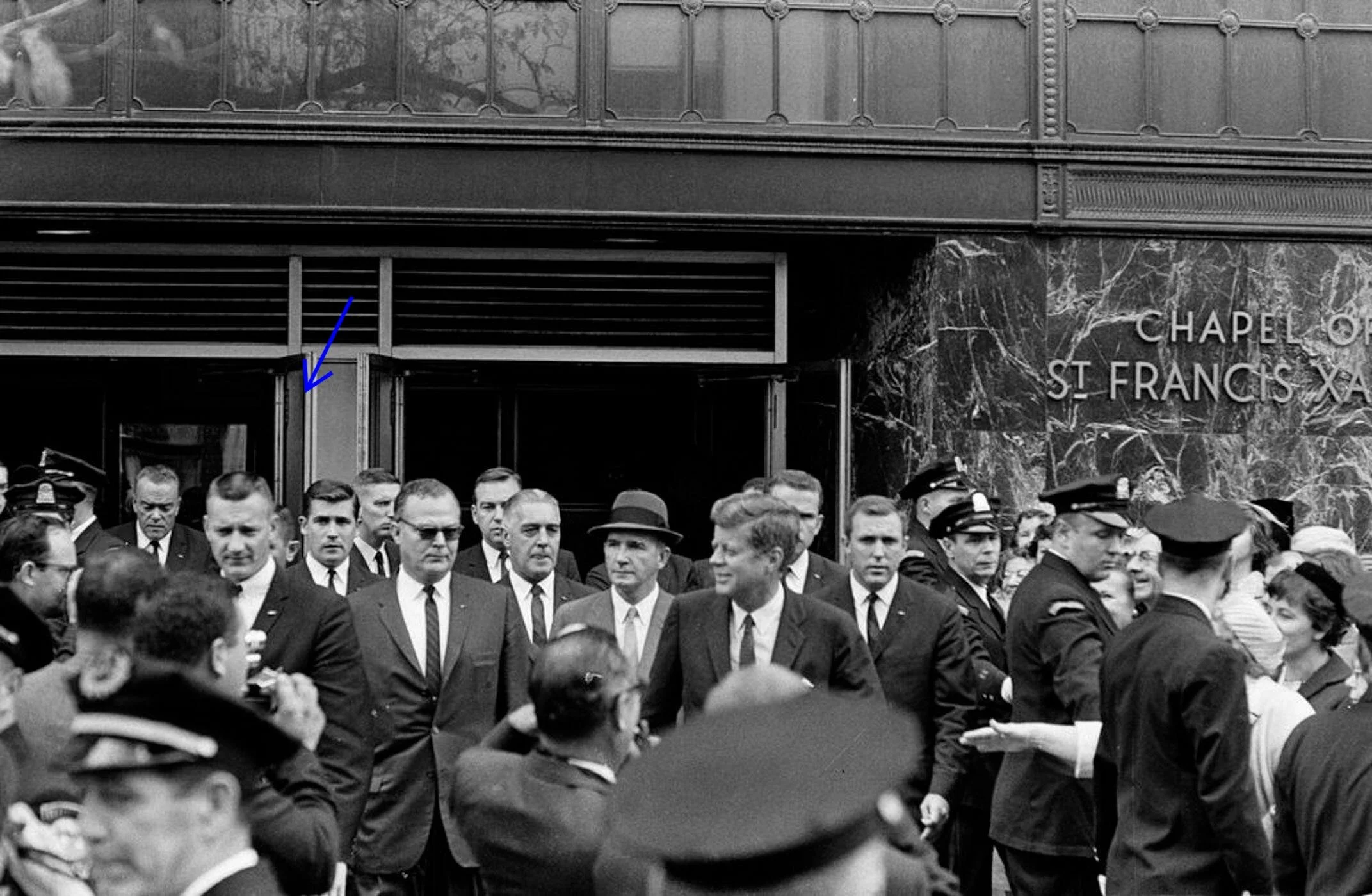
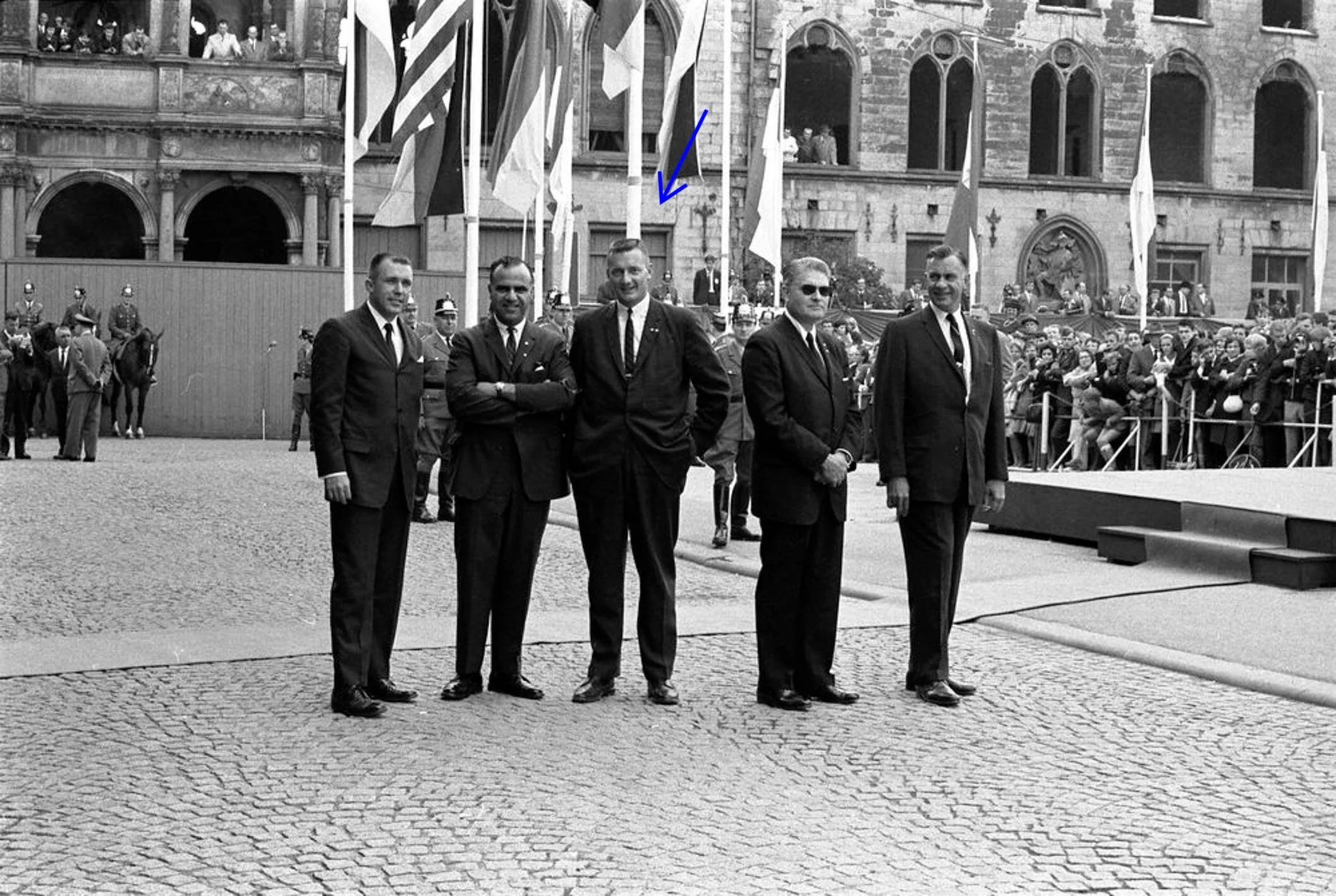
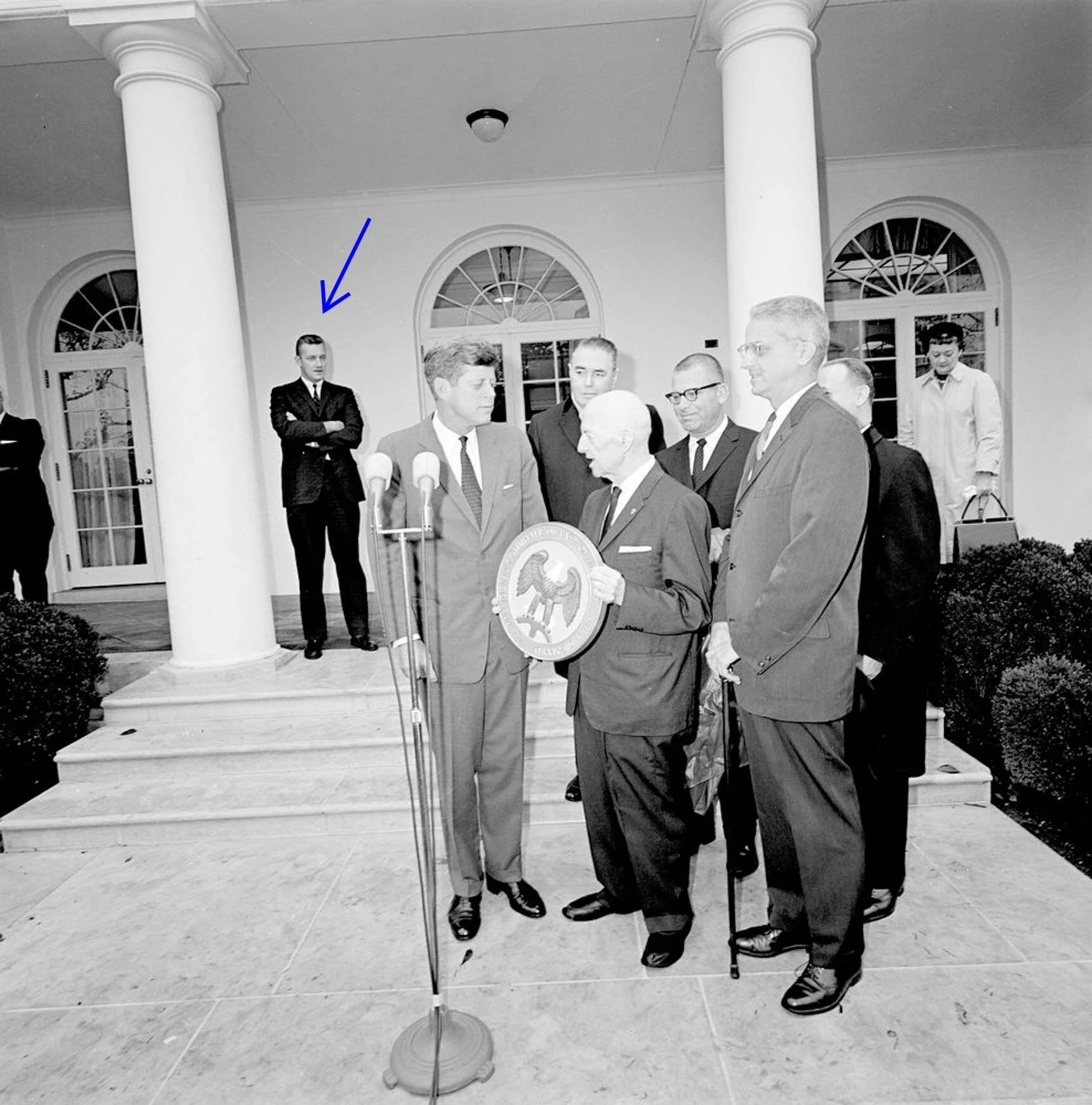
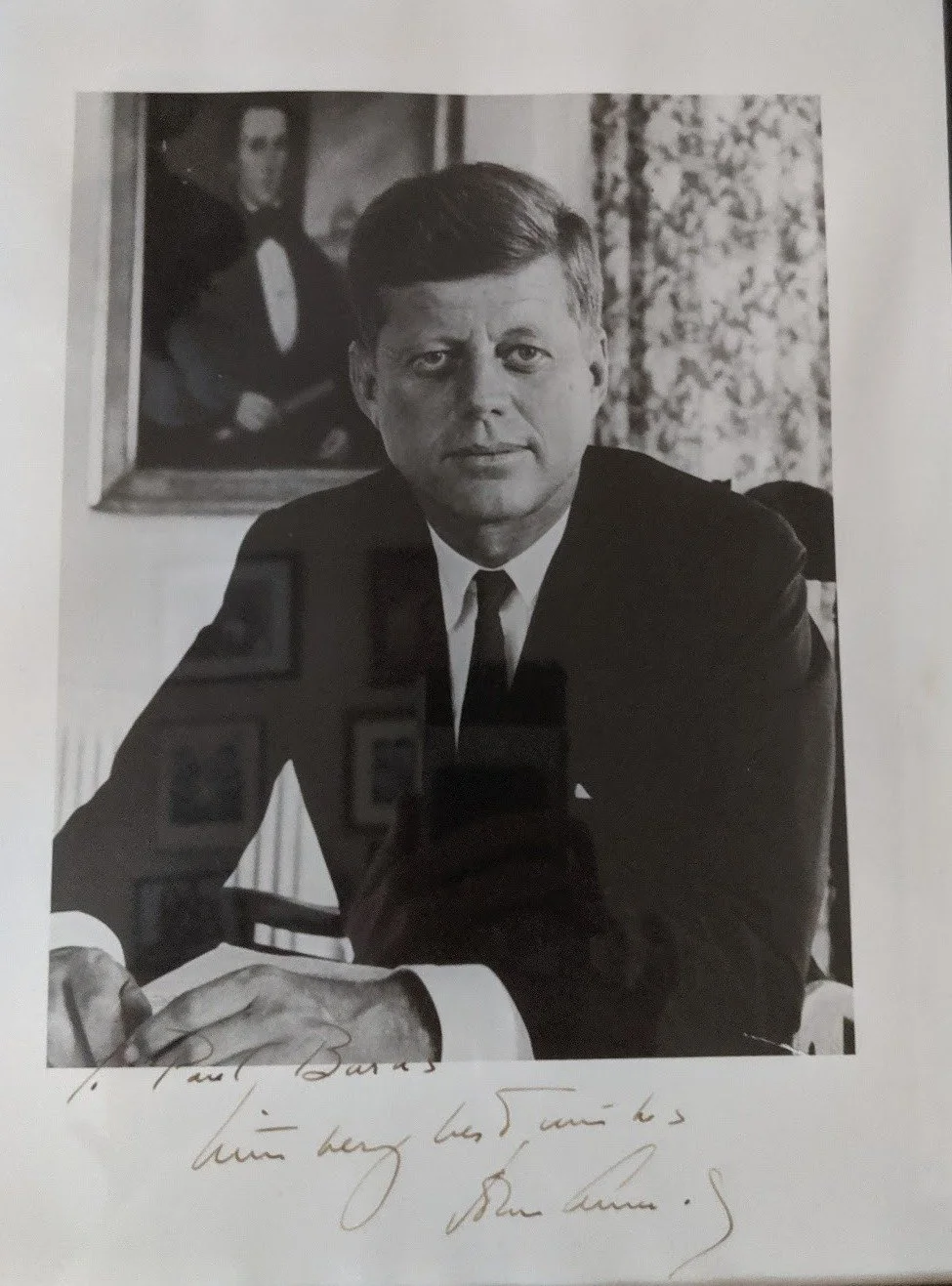
My grandfather, Paul Burns, served as a Secret Service agent from 1961 to 1982. Only recently have I begun to see him through that lens. It wasn’t until after he passed, when I learned more about his life, that I began to understand the weight he carried—and just how proud I am of him.
Seeing photos of him alongside various presidents now is remarkable. He was a man of very few words and never spoke about the presidents he protected or what he accomplished. Maybe that was a tenet of the job that became ingrained in him, or maybe it was humility—likely a bit of both.
He was part of JFK’s primary detail, and you get a sense of how deeply he cared about those he protected in his biography, especially when he discusses the aftermath of the assassination.
Despite being part of the primary detail, my grandpa was pulled off duty and flown from Fort Worth to Austin the day of the assassination, where he was told to wait for the president. Separately, his biography lso gives insight into why JFK was in plain view:
"The president (JFK) called Jerry Behn, SAIC of the detail, over and asked why agents were riding the 'jump' steps on the back of the limo. Mr. Behn advised that it gave the agents a better, closer position and allowed them to provide better protection. The president asked Jerry if there was any intelligence to warrant closer protection, and Jerry said there was not. President Kennedy then asked SAIC Behn to remove the agents from the back of the car, stating that it would look better, but that they could return if intelligence warranted the change. The agents were then instructed to remain on the follow-up car unless there was an immediate threat."
“That feeling of failure would remain with me for the rest of the time I was assigned to the White House. It was very difficult to see the faces of all the staff and press we had become so close to. They were having their own thoughts and grieving, no one ever said anything to us, but I couldn’t look them in the face without feeling guilty.”
Those words reflect a level of trust and responsibility so deep that the weight of failure lingers long after the moment has passed. In the biography, you also get a vivid sense of the commitment not only to the President but also to the system, as well as the selflessness of being a civil servant.
What happens when that kind of belief in a system begins to erode?
In the financial world, the risks are less visible, but the question of trust is just as important. The agents at the Correspondents' Dinner acted decisively because they believed deeply that the system and the personnel they were protecting were worth personal sacrifice. Outside that room, a growing number of Americans do not feel that same sense of durability when it comes to their financial future. Instead of a system they trust to reward patience and discipline, they see one that feels unstable, unfair, or increasingly disconnected from effort.
That shift in belief is subtle at first—but its effects are not.
When trust in a system weakens, behavior changes. At first, that change looks like caution. Over time, it becomes something more structural: disengagement from the traditional frameworks that once guided decision-making. That's where financial nihilism begins to take hold—the idea that fundamentals, time horizons, and discipline may no longer matter the way they once did.
Long-term investing starts to feel less rational—not because the math has changed, but because the underlying assumptions no longer feel reliable. In its place, shorter-term, event-driven speculation begins to fill the gap.
Financial insecurity—whether real or perceived—has given rise to something deeper than risk aversion. For many investors, especially younger ones, the issue isn't just that they're behind. It's that they feel too far behind to play the game "the right way." Building wealth slowly through disciplined, long-term investing can feel like a luxury reserved for those with earlier starts, higher incomes, or different circumstances. When the traditional path no longer feels viable, the alternative isn't withdrawal—it's acceleration. In that environment, higher-risk, more speculative behavior begins to feel not just appealing, but rational.
Enter Prediction Markets
That acceleration increasingly leads investors toward environments like prediction markets, which offer immediacy and defined outcomes. But those features come with important distinctions. The outcomes are only "clear" in a structural sense—they resolve to a binary result—while the underlying information is often highly asymmetric. In some cases, those closest to real-world events may have a more direct informational edge, creating opportunities that are far less about interpretation and far more about access. That stands in contrast to traditional financial markets, where advantage typically comes from analyzing how information will be received, not from knowing outcomes outright.
Just as important, prediction markets are fundamentally a zero-sum game. They don't compound or grow over time the way traditional assets do. For every winner, there is a corresponding loser. What can feel like investing—driven by information, timing, and conviction—is structurally closer to wagering on discrete outcomes, without the long-term tailwinds that underpin traditional markets. And consistent success is more difficult than many are led to believe, or as Yogi Berra famously said:
"It's tough to make predictions, especially about the future."
Jason Zweig recently wrote in The Wall Street Journal that the line between investing and gambling has become increasingly blurred—and more importantly, that many people are crossing that line without even realizing it. It's not just the availability of tools like prediction markets, leveraged ETFs, or real-time trading platforms. It's the environment investors have been shaped by. When markets feel like they only go up, and when downturns are brief and quickly reversed, risk starts to feel different. It starts to feel manageable—even controllable.
As Zweig points out, investors don't experience risk in a vacuum—they experience it through the lens of what they've lived through. And for many, especially younger investors, that experience has been defined by rising markets and rapid recoveries. So when speculation starts to feel like investing, it's not necessarily irrational behavior—it's conditioned behavior.
Prediction markets, sports betting, and similar outlets provide a mechanism for someone who feels behind to compress time—to potentially accelerate outcomes in a way that traditional portfolios cannot. And while these platforms offer speed and access, they're not immune to the same issues that have caused people to lose trust in traditional systems.
The data reflects the shift. A recent Northwestern Mutual survey found that nearly a third of Gen Z individuals between 18 and 29 are either already allocating money to, or considering allocating money to, areas like sports betting and prediction markets. Of those, eight out of ten believe riskier vehicles can get them where they want to go faster than traditional investing. For a meaningful segment of the population, the belief in steady, compounding progress has weakened.
This raises a harder question. Is this behavior a response to financial pressure, or is it the product of an environment that has conditioned investors to expect outsized returns? An entire generation has come of age during a period defined by quantitative easing, rising asset prices, and limited exposure to prolonged downturns. For many, volatility has been something to trade—not something to endure.
When trust in the system erodes, patience becomes harder to justify. And when patience disappears, speculation doesn't feel reckless—it starts to feel necessary.
In one world, risk is absorbed by people who believe in the system. In the other, people are taking on more risk themselves—because they're no longer sure the system will work for them.
That contrast is real. But it's also worth sitting with what it leaves out.
Long-term investing doesn't actually require the kind of belief my grandfather had. It doesn't ask you to trust institutions, admire markets, or feel that the system is fair. It asks for something far more modest—a recognition that compounding, diversification, and time work whether or not the world around them is admirable. You can be skeptical of the system and still benefit from its mechanics.
That distinction matters, because in my work, I rarely see outcomes shaped by abstract belief. I see what unfolds over years and decades. I see clients who stayed disciplined through environments that felt unfair, and what that patience eventually delivered. I also see the pattern that follows speculative behavior—not always loss, but rarely lasting success. The wins feel sharp, the losses feel personal, and the time spent chasing either is time not spent compounding.
None of which is to say prediction markets, leveraged ETFs, or sports betting have no place. They can be entertaining. They can be a small, deliberate slice of how someone engages with markets—money set aside for the experience, not the outcome. The problem isn't that these tools exist. The problem is when they quietly take over the role that long-term investing is supposed to play—when the slice becomes the strategy. Speed and engagement are not substitutes for time and compounding, and treating them that way is how people end up further behind than where they started.
The case for long-term investing doesn't rest on believing the system is worthy of you. It rests on the quieter fact that the math still works—and over a long enough horizon, that has been enough.
Noble Wealth Pro Tip of the Month
Alternative Assets
Have you ever wished for alternative assets in your 401(k)? Perhaps a better question is whether you think allowing employees with a 401(k) plan to purchase Bitcoin, private equity, private credit, or other opaque and esoteric assets—typically requiring a significant amount of diligence and suitability analysis due to their risk and illiquidity—would put savers in a better position for retirement. I do not. And yet, they are on their way, thanks to a proposed rule released this past week by the Trump administration. The rule would allow alternatives into workplace retirement accounts. They were not banned before, but this new rule would give plan sponsors additional legal cover if they decide to include them.
Alternative managers assert that participants will receive higher returns and diversification, but the only guarantee is higher fees for investments in these assets and, potentially, higher fees at the plan level. Does the average employee know how much of their retirement nest egg belongs in these assets—5%, 25%, 50%? Not really. Returns for these assets can swing drastically, and when they are positive, participants will likely pour money in, only to see returns reverse and then rush for the exits. This could be devastating for these savers, and that is before factoring in any credit events or liquidity crunches.
The message to drive home is that if you see these options in your plan, please do your diligence and, if available to you, consult with your financial advisor before allocating to these investments.
We Were Reading and Enjoying
The Stoic Leader | Justin Stead
The Greek philosopher Zeno founded the Stoic school of thought around 300 BC. His followers were called the Stoics, and their philosophy focused less on abstract concepts and more on practical ideas for living well and handling life’s challenges. Key takeaways include the belief that good character is the foundation of a good life, the importance of focusing on your most important objectives to make the best use of limited time, the moral and ethical foundation of good decision-making, and the value of turning principles into habits.
The Infinity Machine | Sebastian Mallaby
The Infinity Machine tells the story of Ethereum as an evolution beyond Bitcoin—transforming blockchain from digital money into a programmable platform. By introducing smart contracts, Ethereum made it possible to build decentralized applications and financial systems without traditional intermediaries, with the broader goal of increasing user control, transparency, and ownership.
The book also highlights how messy that vision is in practice. Through Vitalik Buterin’s leadership and events like the DAO hack and ICO boom, it shows the tension between ideals and reality. Ethereum’s rise is marked by innovation, conflict, and speculation, underscoring that it remains an experiment with significant potential—but no guaranteed outcome.
Goodnight, Goodnight, Construction Site | Sherri Duskey Rinker
It takes a world built on noise, grit, and relentless motion—and somehow turns it into something calm, human, and deeply comforting. These aren’t just trucks. They’re tired workers. They strain, they push, they wind down. You feel the weight of the day on every page.
Oops—my mistake. Sometimes I have trouble shifting roles between being a father and a financial advisor😉
But for what it's worth, any kid under the age of four is going to love this.
“There is nothing noble about being superior to your fellow man. True nobility is being superior to your former self.” - Ernest Hemingway
